
Family decisions and preparation
How to Separate Family Keepsakes Before an Estate Sale
Start with the belongings the family wants to keep, rather than trying to label everything that might sell. A short photo list and a clear separation plan can make the first walkthrough more useful.
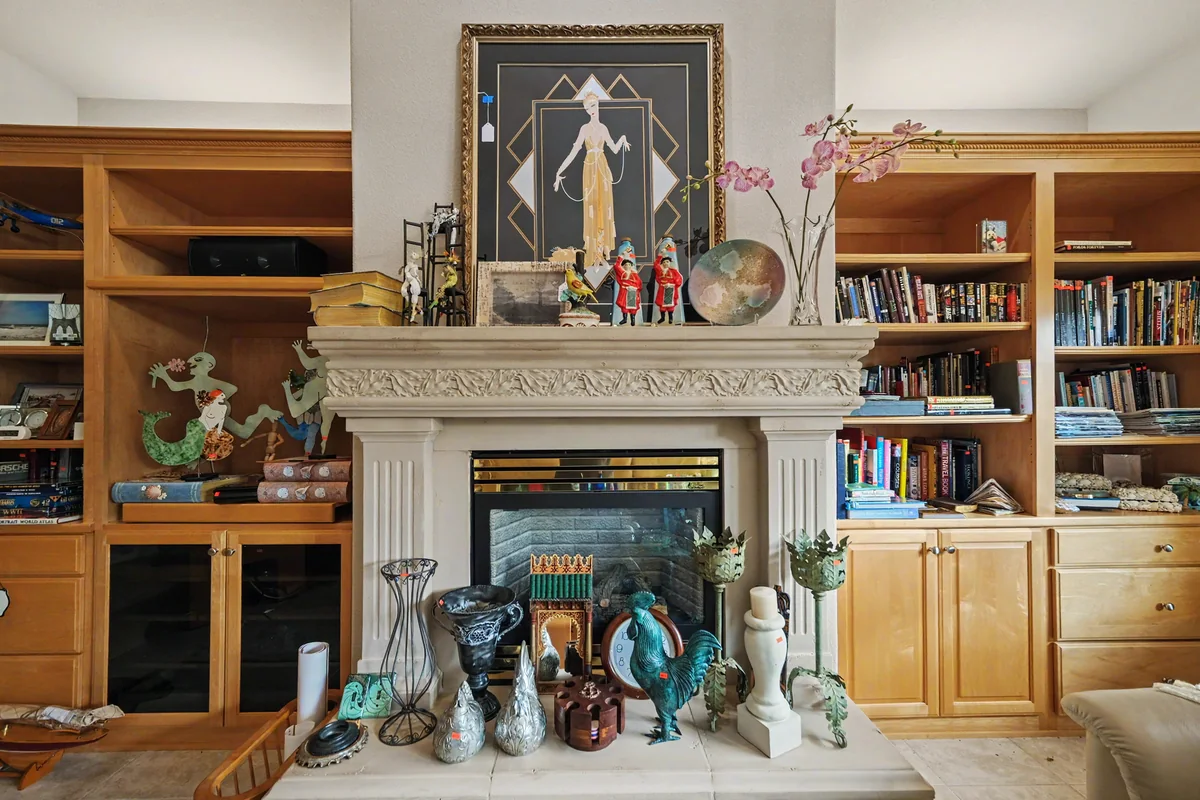 916 Estate Sales · 916estatesales.com© 916 Estate Sales
Start with a short keep list, not a whole-house inventory
Walk through the home looking only for the belongings you know should stay with the family. Include photographs, letters, handmade pieces, and objects with a personal connection, even when they have little resale value. Leave the rest in place for the walkthrough rather than emptying every cupboard.
You do not need a sale price to decide that something matters to you. A practical first list might be a photo album, a particular serving dish, and the chair you plan to take home. Ask relatives to identify specific objects instead of broad descriptions such as “the good dishes.”
Use a photograph and a location to identify each item
Take an overview photo and, when useful, a closer picture of a distinguishing detail. Give the item a simple label in your list, such as “K1 — blue vase on the living-room mantel.” Record whether the decision is keep, undecided, or ready for the sale team to review.
For sets, describe what the decision covers. Keeping one cup is different from keeping the whole cabinet of china. For a table with leaves or a sewing machine with accessories, note which related pieces should remain together. These are examples of a useful list, not a required inventory format.
Agree on where the belongings will be kept
Small keepsakes can be placed in a clearly designated area away from sale items. Ask the estate sale team how that area should be marked and whether the belongings should be removed before preparation starts. Do not assume a closed drawer or a note that only one relative understands will keep an object out of the sale.
For furniture that cannot move yet, share its photo and location and agree on how it will be identified as not for sale. Include a pickup plan if someone will collect it later. Avoid attaching tape directly to delicate finishes; discuss a suitable way to mark the piece.
Give undecided belongings a decision date
Keep a separate, short list of the items that still need a family decision. Tell the team about them before photography, pricing, or advertising begins. Ask when the decision needs to be final so everyone is working from the same instructions.
If relatives disagree about an item or nobody can confirm who may approve its sale, keep it out of the sale plan until the appropriate person resolves the question. The sale team needs clear instructions; an estate sale is not a way to settle ownership disagreements. Choose one contact to communicate the confirmed decisions.
Check inside the things you plan to sell
Before handing over a desk, dresser, handbag, or coat, check drawers, pockets, and compartments for keepsakes and private belongings. Secure personal documents, identification, financial records, medications, keys, and personal devices separately. Look through albums and frames for photographs or papers you want to retain.
This focused check is different from clearing the whole property. Avoid making a large donation or disposal run before the contents are reviewed. Everyday household belongings can be part of a sale, and removing them early may change the scope of the project.