
Understanding estate sales
How Do Estate Sales Work? A Step-by-Step Guide for Homeowners
An estate sale sells a home’s contents through an organized event. Here is how our team plans, prepares, advertises, and manages the process—and what you receive afterward.
 916 Estate Sales · 916estatesales.com© 916 Estate Sales
What is an estate sale?
An estate sale is an organized sale of household belongings. It can include furniture, artwork, collectibles, tools, kitchenware, decor, and everyday items. Shoppers browse the home and purchase items during scheduled sale hours.
Families may arrange a sale after an inheritance, during downsizing, or before a move. You do not have to be selling the house itself to hold an estate sale. The contents sale and the real estate transaction are separate decisions.
1. Start with a walkthrough of the home
At 916 Estate Sales, the first step is a free in-home walkthrough. We look at the items, the amount of preparation involved, access, and your timeline. You can explain what the family is keeping and what you need the property ready for.
You do not need to sort the entire home first. Secure personal documents, medications, family photographs, and keepsakes. Before making a large donation run or throwing away household belongings, let us review what is there. A sale may be suitable, or we may discuss a cleanout or another approach.
2. Agree on the scope, commission, and schedule
Before work begins, confirm the commission, preparation and sale dates, payment timing, and plan for unsold items in writing. Make sure the person approving the work has authority to make decisions about the belongings.
Our usual estate sale commission is 45–50% of net sales, with no upfront client cost. Labor, staging, photography, advertising, and sale management are included. Haul-away after donation, if needed, is the only separate estate sale service charge. These are our terms; other companies may structure their services differently.
3. Organize, stage, price, and photograph the contents
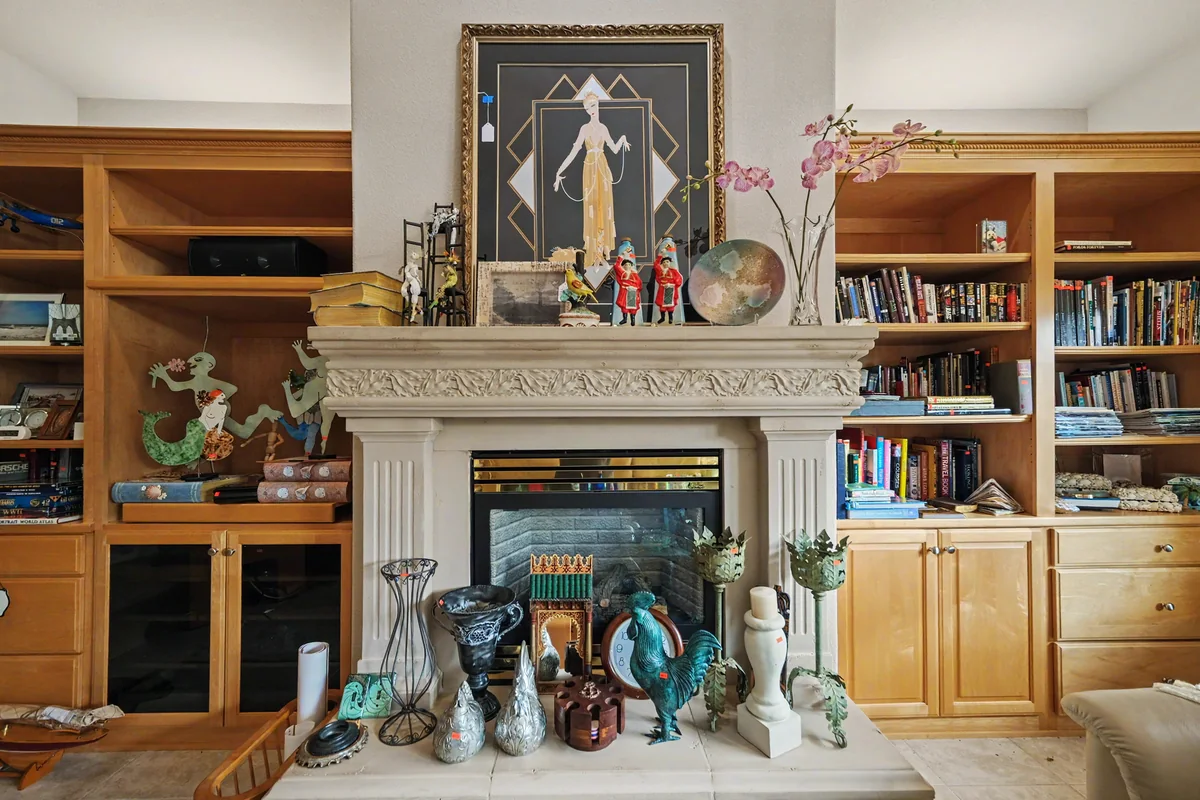
Our team organizes the belongings, arranges rooms and displays for browsing, researches and prices items, and creates photos and video for advertising. This is where a full house becomes a sale that shoppers can navigate.
We usually allow about two weeks for preparation and promotion. The first week focuses on setup, photography, and video. About a week of advertising follows before the sale opens. The actual schedule is agreed for each property.
4. Advertise before opening the doors
Photos and sale details help shoppers understand what is available and when to attend. Our advertising includes online sale promotion and social media. The goal is to give people time to discover the sale and plan a visit.
Clear pictures, organized displays, and accurate event information all matter. You can see examples of how we present homes and collections in our photo gallery and previous projects. Attendance and sales results vary; advertising is not a guarantee that every item will sell.
5. Let the team manage the sale and checkout
During the sale, our team manages shoppers, answers questions, and handles checkout. Some of our sales run three to four days; the length depends on the project and the agreed plan.
We use Square to record sold items by category. This creates a record of the sale rather than leaving the homeowner to track individual transactions. If you are also preparing to list the house, coordinate access and handoff dates with your real estate agent before settling the sale schedule.
6. Receive your printed sales report and proceeds
After the sale, you receive a printed report showing sales by category, cash and card payment totals, and gross and net totals. The gross total includes sales tax and card fees collected from shoppers. Those amounts are excluded before the remaining net sales are split between you and our company at the agreed commission rate.
For example, if net sales are $10,000 and the agreed commission is 45%, the company’s share is $4,500 and your share is $5,500. That example explains the calculation, not a predicted result. Clients can receive proceeds as soon as three days after a sale; your agreement confirms the actual payment timing.
7. Follow the plan for remaining items
An estate sale does not necessarily leave an empty house. We plan for donation of remaining belongings, followed by haul-away if needed. Discuss what will remain, who handles each part, and any haul-away charge before the work starts.
If the property has a moving, listing, or closing deadline, allow time for this final stage. A clear plan for the contents helps you and your other professionals coordinate what comes next.
Your next step does not need to be a big cleanout
If you are looking at a house full of belongings and wondering where to start, begin with a conversation. Tell us the property city, the items involved, and any deadline. Naz and Viki’s family-owned team is based in Antelope and serves Sacramento and surrounding communities. We can walk through the home with you and discuss a practical plan.